Agri Waste Biogas Plant DryQUBE
Modular dry digestion technology that converts 100% agricultural waste into renewable energy and carbon credits
Decarbonizing The Agriculture Sector
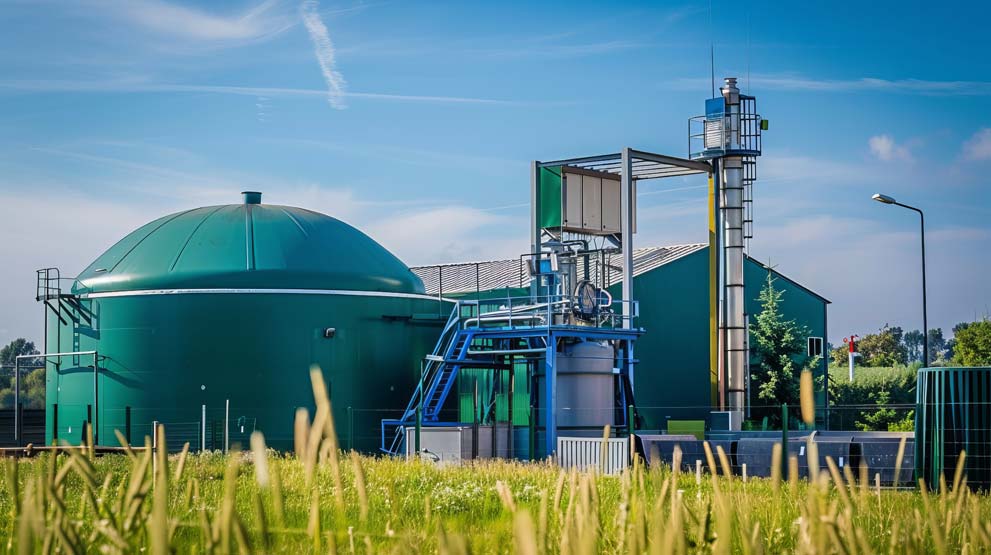
Blue Planet’s dryQUBE batch anaerobic digestion technology offers a solution for sustainable management of agricultural residues. The dryQUBE is a modular, preprocessing-free dry digestion system that transforms 100% rice straw and sugarcane residues into renewable energy. This innovative approach efficiently processes organic biomass, converting it into biogas and nutrient-rich digestate, thereby providing a sustainable solution for managing these abundant yet underutilised resources.
By enabling waste-to-energy conversion, CO₂e reduction, and carbon credit generation, the dryQUBE supports corporate ESG goals
Why Choose DryQube?

Modular
& Scalable
Processes 150–2,000 tonnes of agricultural residue through flexible batch-based units.

Renewable
Energy Generation
Converts agricultural residue into biogas for heat, electricity or bioCNG production.

High-Grade
Digestate
Produces nutrient-rich digestate that supports soil health and reduces dependence on fossil-fuel-based fertilisers.
Measurable
Carbon Impact
Enables identification and quantification of CO₂e savings from waste-to-energy conversion.
How DryQube Works?

Batch Processing
Model
DryQube operates in a modular and scalable batch sequence, making it easy to deploy in diverse locations.

Biogas
Production
Converts rice straw into renewable biogas, which can be used for cooking, electricity generation, or grid integration.

BioCNG
Fuel Alternative
The produced biogas can also be upgraded into compressed bioCNG, a clean and sustainable fuel for vehicles.

Organic
Fertilizer
Generates high-quality digestate, a natural fertilizer that enriches soil health and reduces dependence on synthetic fertilizers.
Environmental and Economic Benefits

Carbon Reduction &
Net Zero Goals
- Offsets fossil fuel usage and contributes to measurable CO₂ savings.
- Reduces methane and CO₂ emissions, directly supporting carbon credit generation.
Air Pollution Control
in Delhi NCR & Beyond
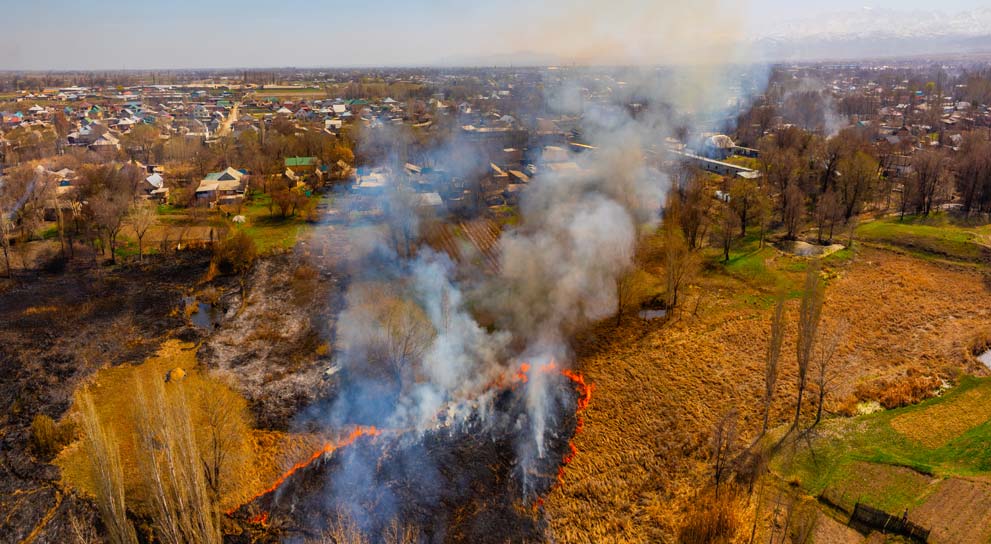
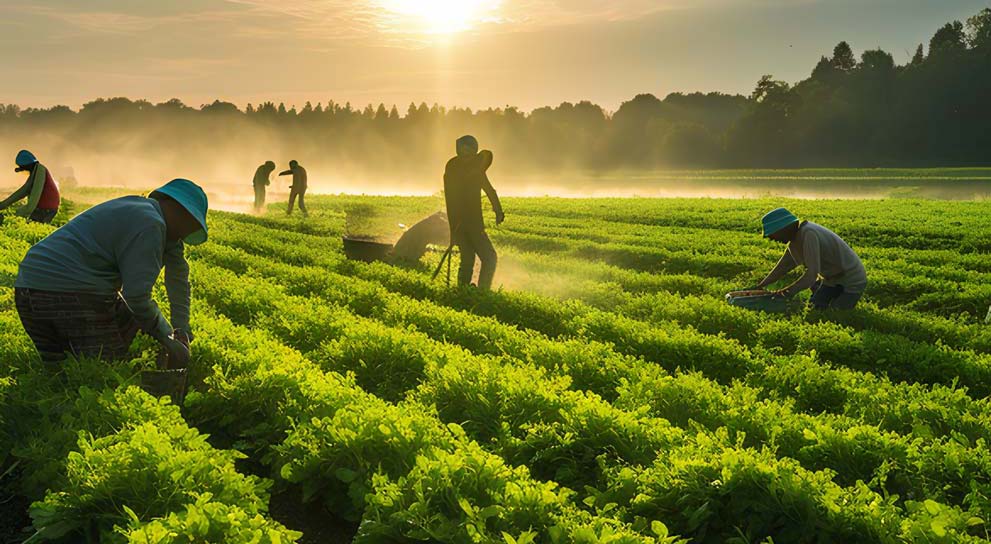
- Addresses crop-burning emissions, a major contributor to pollution.
- Prevents 7,300 kg of CO₂-equivalent per hectare from being released into the atmosphere.
- Helps restore soil nutrients and biodiversity lost due to open-field burning.
Economic Advantages
for Farmers & Industries
- Provides an additional revenue stream for farmers through carbon credits.
- Supports rural energy independence by generating local renewable energy.
- Reduces dependency on expensive fossil fuels for energy generation.
Applications of DryQube

Agricultural Residue Management
Converts crop residues and other agricultural waste into renewable energy and high-grade digestate.
Agro-Industrial Waste Processing
Treats organic residues from food processing and agricultural industries for resource recovery.
On-Farm Energy Generation
Enables local production of biogas for heat and electricity, reducing dependence on conventional fuels.
BioCNG Production
Upgrades biogas into compressed BioCNG for use as a renewable vehicle fuel.
Soil Health & Fertiliser Replacement
Utilises nutrient-rich digestate as an organic fertiliser to improve soil health.
Decentralised Waste-to-Energy
Modular units can be deployed close to agricultural waste sources, reducing waste transportation.
Carbon Reduction Projects
Supports measurement and reduction of CO₂e emissions through agricultural residue valorisation.
DryQUBE – The Process
Loading Options
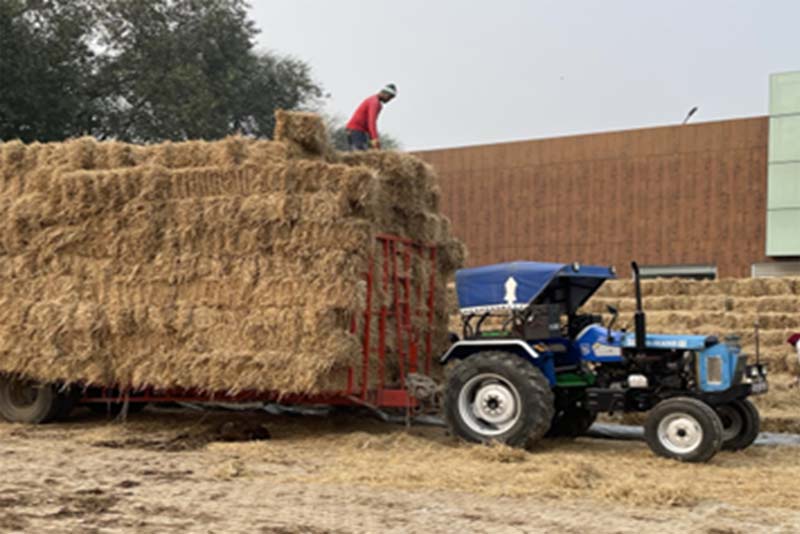
Manually or mechanical loading
Open Loading Option
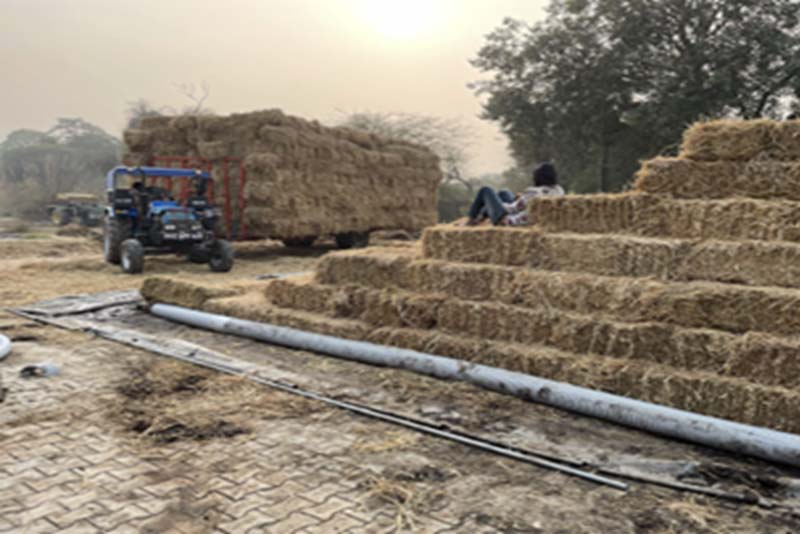
Bailed Loading Option
The Process
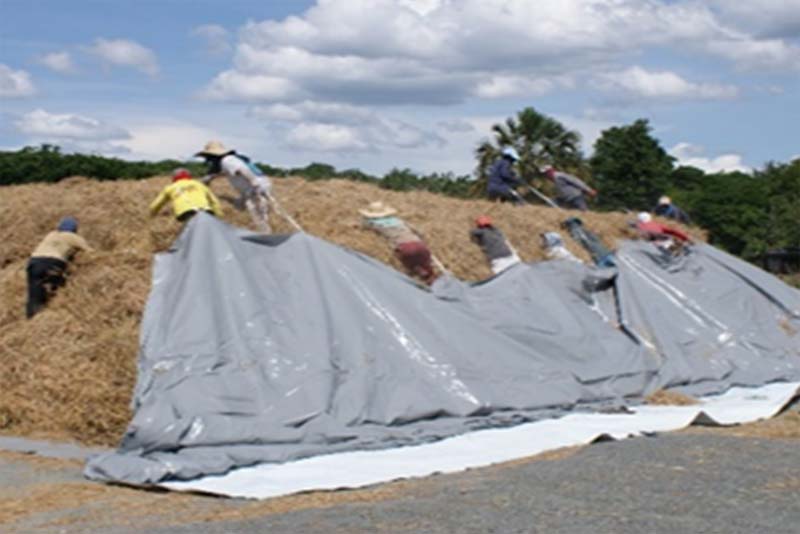
Closing the digester
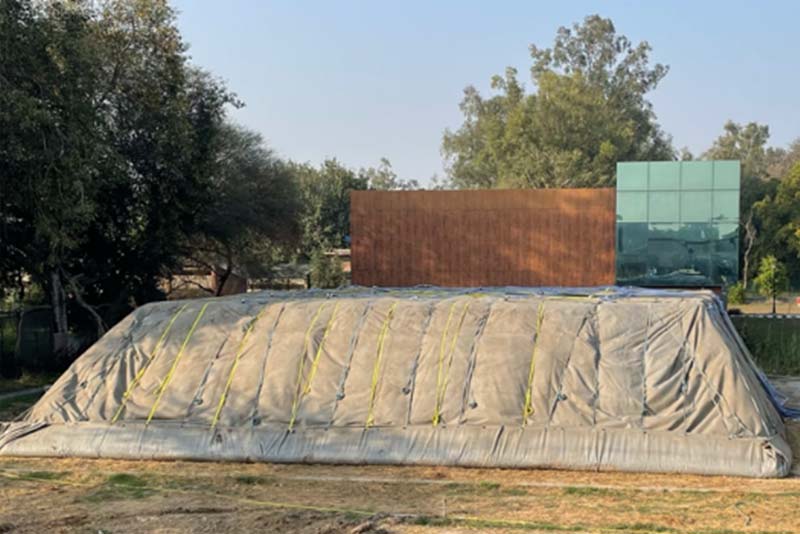
Closed digester for Anaerobic digestion
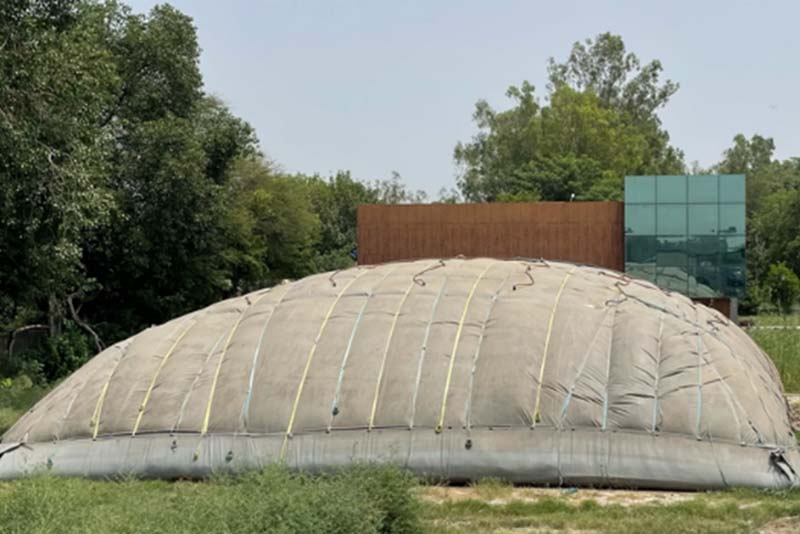
Gas Generation through digestion
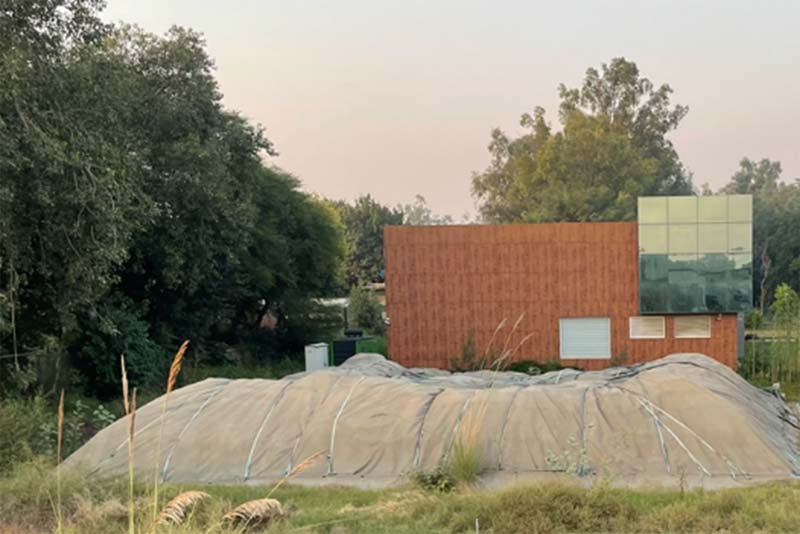
End of process
Comparison – Wet & Dry Digestion
The comparison shown is for a plant with a capacity of 20 tonnes of waste per day.
| Wet Digestor | dryQube | |
|---|---|---|
| Power Requirement for Biogas plant (kWh/day) | 27840 kWh/day | 13763 kWh/day |
| Water Requirement | 150 m3/day | 53 m3/annum |
| Manpower | Higher for day to day feeding operation | Minimum |
| Maintenance & Spares | High, due to more moving parts | Less |
| ETP for leachate management | Required | Not Required |
| Feedstock / Paddy | Preferred dry for crushing | No Crushing Required |
| Scum Formation (High Lignocellulosic biomass) | Regular Occurrence | No Scum formation |
Pilot – HAU DryQUBE Plant
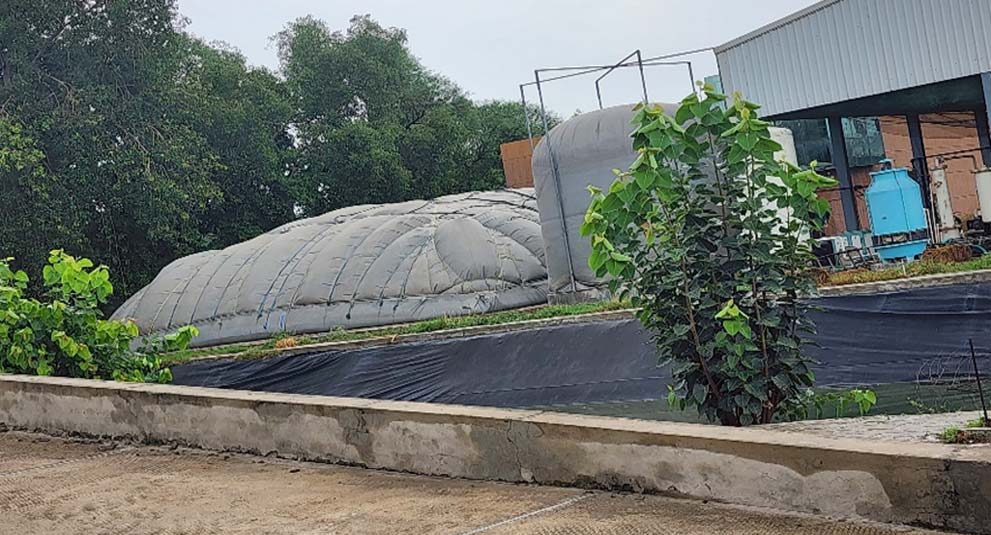
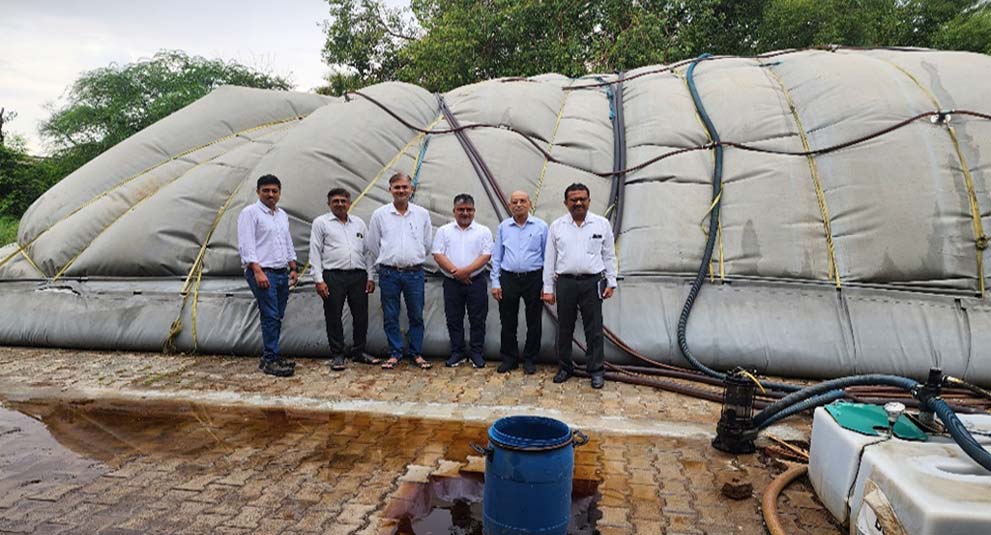
Pilot – HAU DryQUBE Plant
- Commissioned in Dec 2019
- 3 batches completed, affected by covid
- Capacity: 130-tons Paddy straw + 20 Tons Cattle dung (layering)
- Dimension: 15M X 15 M X 5.5M (Stack area), 19 MX 19M X 6M Covered area ( with double fibre cloth and water seal)
- Slurry tank-5 KL with pump flow 20 m3/hr
- Control panel with remote sensing (plant can be controlled online)
- 11-12 row of stacks in a specific pattern
- Water: 150 KL, Total 36 sprinklers with synchronized solenoid valve operation
- Balloon capacity 80 m3, with arrange of electricity generation, PSA system & cascades also available)
- 80% Digestion+ 20% undigested